

Many women are blindsided by a feeling that something is “off”. This feeling often occurs in the years leading up to menopause, also known as perimenopause. They can feel frightened, angry and/or discouraged. Some find themselves in a doctor’s office or a therapist’s office trying to find answers and relief. They are looking for ways therapy or medicine can support them through perimenopause.

Perimenopause is a natural transition that many women experience in their 40s and 50s. Estrogen and progesterone receptors are found in every part of a woman’s body, including the brain. These hormones are important in maintaining mood and regulating the nervous system.
When these hormones begin to fluctuate and/or drop-off, mental health can suffer. This article aims to shed light on common mental health issues during perimenopause and offer strategies for coping.
Understanding Perimenopause and Its Impact on Mental Health

Perimenopause is the precursor to menopause and can last several years. It is marked by irregular periods and varying hormone levels, primarily estrogen and progesterone. These hormonal fluctuations can influence brain chemistry, affecting mood and emotions.
In Dr. Lisa Mosconi’s book The Menopause Brain, she describes the neuroendocrine system where the hypothalamic-pituitary-gonadal axis (HPG) connects the ovaries to the brain. The ovaries produce estrogen specifically estradiol that connects to receptors in the brain. She says, “…the brains of people born with ovaries, scientists have learned in recent decades, are genetically engineered to respond preferentially to the estrogen made by said ovaries.”
During perimenopause as the egg supply in the ovaries become depleted, the brain and ovaries start misreading each other’s demands of action. The brain may accidentally miss the need for more estradiol or frantically produce too much. Consequentially, estradiol is the master regulator of many important functions in the female brain such as:
- Neuroprotection – the immune system is boosted and brain cell aging and damage is mitigated.
- Cell growth – new cell production is promoted as well as cell repair.
- Brain plasticity – the brain’s ability to respond and adapt to changes and damage in networks and cell activity is enabled.
- Communication – many neurotransmitters are effected which send signals for communicating and processing information.
- Mood – it enhances serotonin, the mood balancing chemical in the body, and it promotes sleep.
- Protection – the immune system is supported and the brain is protected from harmful free radicals.
- Cardiovascular health – the brain and the heart is protected from vascular damage.
- Energy – Glucose, the brain main sustenance, is burnt efficiently as energy.
The mental health implications of perimenopause can vary widely. Some women experience severe mental health symptoms, while others notice mild changes. Key mental health issues during this phase include:
- Increased anxiety
- Depression
- Mood swings
- Irritability
- Memory loss
- Trouble concentrating
Recognizing these changes as part of a natural transition can help reduce stigma. It encourages open discussions and seeking help when needed. Awareness and understanding can empower women to take proactive steps in managing their mental health during this significant life stage.
Key Perimenopause Mental Health Issues
During perimenopause, mental health issues can arise due to hormonal changes. Anxiety, depression, and mood swings are prevalent among women in this phase. Understanding these concerns is vital for effective management.
Perimenopause anxiety often includes excessive worry and tension, sometimes leading to panic attacks. Depression may manifest as persistent sadness, fatigue, and loss of interest in daily activities.
Other symptoms, such as mood swings and irritability, can also be significant. Emotional responses may become more intense, making everyday challenges harder to handle. Cognitive changes, such as memory lapses and concentration difficulties, add to the complexity.
Perimenopause mental health issues can significantly impact overall well-being, affecting both professional and personal lives. Addressing these issues promptly can help maintain a balanced and fulfilling lifestyle. Support from healthcare providers, family, and peers plays a crucial role in navigating these challenges effectively.
Perimenopause Anxiety: Symptoms and Triggers
A very common presenting issue in perimenopausal women who come to therapy for the first time is anxiety. They may be experiencing intense existential dread or fear of driving. With all of the new physical symptoms of perimenopause, they also can experience worsening health anxiety.

They may think every twinge or pain is cancer or some undiagnosed health condition. Heart palpitations and hot flashes combined with fear can create a cycle of panic, leading to panic attacks. Having a therapist that is well-versed in women’s health can give you support as you navigate this phase of life.
Identifying triggers helps in managing anxiety more effectively. Common symptoms to watch for include:
- Persistent worry or nervousness
- Restlessness or feeling on edge
- Sleep problems
Recognizing these symptoms early can prevent them from escalating. Developing coping strategies is essential for maintaining mental well-being during perimenopause.
Perimenopause Depression: Signs and Risk Factors
The physical changes of perimenopause can be exhausting and many women lose morale. Some become clinically depressed. This can look like having difficulty functioning regularly in day-to-day activities. Work and tasks take a backseat and become increasingly difficult to complete. Getting out of bed becomes a chore.
At some point, some women struggle to get out of bed, and may have difficulty getting out of bed for days on end. Physical hygiene becomes sidelined.
Depression is accompanied by unhelpful thinking habits. In therapy, you can learn cognitive behavioral therapy (CBT) tactics to challenge and overcome these negative thinking traps.
Key signs of perimenopause depression include:
- Persistent sadness or low mood
- Decreased interest in activities
- Fatigue or lack of energy
Acknowledging these signs can prompt timely medical advice. A combination of treatment options, such as therapy and medication, can be very effective in managing symptoms.
Mood Swings, Irritability, and Emotional Sensitivity
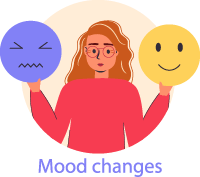
Women who come to therapy oftentimes have loved ones who have commented on not knowing “what version of you” they are going to get. Some women have the insight to see that they themselves don’t know what version they are going to be either.
A common symptom of perimenopause is irritability. Tolerance for volume, chewing sounds, traffic, misbehavior, among other things may be at a rapidly declining all-time low.
Recognizable issues include:
- Rapid changes in mood
- Increased irritability
- Heightened emotional reactions
Open conversations with partners and friends can help provide emotional support. Understanding and empathy are vital in weathering these emotional shifts.
Cognitive Changes: Memory and Concentration Difficulties
You may be asking why you walked into a room more often now that you are a woman of a certain age. You may also find that you can’t FIND words! Word recall during conversations can falter and you may fear you are developing dementia or fear that you look like an idiot to others you’re talking to. These are all too common in women during perimenopause.

Cognitive changes are common yet unsettling perimenopause symptoms. Many experience memory lapses and struggle to concentrate, affecting productivity and self-esteem. A normally sharp mind may feel foggy.
Hormonal shifts often contribute to these cognitive variations. Balancing multiple responsibilities at work and home adds another layer of complexity. Recognizing these changes as temporary can alleviate stress.
Symptoms to watch include:
- Forgetfulness or memory lapses
- Difficulty focusing
- Brain fog or mental fatigue
Incorporating mental exercises, like puzzles, can help maintain cognitive function. Adequate sleep and stress management also support mental clarity during this transitional phase.
Perimenopause ADHD
Brain fog and difficulty focusing are hallmarks of perimenopause, but did you know that if you have been diagnosed with ADHD prior to perimenopause, your ADHD can get worse? It is also posited that some women go undiagnosed and only achieve an ADHD diagnosis during perimenopause because their ability to mask their ADHD features is gone. This may be due to lowered tolerance of frustration and being excessively stimulated and overwhelmed.
Worsening or New Mental Problems for Menopause
As stated above, ADHD can get worse during perimenopause, but the same is true for many mental health conditions. If you have been treated for bipolar disorder prior to perimenopause, you may notice deeper depressions and/or stronger manias.
OCD can be intensified during perimenopause. Psychotic conditions can worsen during perimenopause. Sadly, suicide rates among women ages 45-49 are high.
Relationship Issues
On top of all these new and confusing experiences, relationships can suffer. Women many times do not have the physical and psychological reserves to weather through the strain these changes can have on their social interactions, work, and marriages.
They can become withdrawn and irritable. Some women struggle with rage. A therapist can help in teaching self-regulation and help to improve communication.
Some key strategies to help with your relationships:
- Initially, let those you regularly interact with know that you are going through perimenopause
- Communicate your perimenopausal symptoms when they are occurring
- Come up with plans to help mitigate the symptoms that affect those relationships
Upfront and open conversations can help you to get support and understanding from family members, friends, and co-workers.
The Impact of Work-Life Balance and Stress
Work-life balance is crucial during perimenopause, as stress significantly impacts mental health. Balancing demands from both work and personal life can become challenging. Corporate roles often heighten stress, affecting emotional stability during this transitional phase.
High stress levels can exacerbate symptoms like anxiety and depression. This makes it essential to address work-life balance proactively. Reducing stress contributes to improving mental health and enhancing daily life experiences.
Key stress management strategies include:
- Prioritizing tasks to avoid overwhelm
- Establishing clear boundaries between work and home life
- Engaging in activities that promote relaxation and well-being
Adopting effective stress-reduction techniques can make a meaningful difference. Implementing these strategies helps manage perimenopausal mental health issues more effectively and improves overall well-being.
Strategies for Managing Perimenopause Mental Health Issues

Managing mental health during perimenopause involves a comprehensive approach. This includes addressing both emotional and physical well-being. A proactive stance can make a significant difference.
Incorporating stress management techniques is vital. Regular physical activity boosts endorphins, enhancing mood and reducing anxiety. Mindfulness practices, like meditation, can also offer calm.
A nutritious diet supports mental health by balancing hormones. Consuming whole foods and staying hydrated promotes overall wellness. Sleep hygiene is another critical factor.
Establishing a consistent sleep routine can mitigate mood swings and enhance emotional resilience. It’s also beneficial to educate oneself about perimenopause. Understanding this phase reduces stigma and empowers informed decisions.
Effective strategies include:
- Regular exercise tailored to preferences
- Mindfulness techniques to promote relaxation
- Consuming a balanced, nutrient-rich diet
Developing coping mechanisms that suit personal needs can enhance emotional well-being. Building awareness and adopting healthy habits offer support during this transitional phase.
Professional Support: Therapy and Medical Options
Professional support is often crucial in managing mental health during perimenopause. Therapy provides a safe space to explore emotions and develop coping strategies. Cognitive-behavioral therapy (CBT) is particularly effective for anxiety and depression.
Medical options may also offer relief. Hormone replacement therapy (HRT) could be considered under professional guidance. It helps alleviate severe symptoms for some women.
Available therapies include:
- Cognitive-behavioral therapy (CBT)
- Hormone replacement therapy (HRT)
- Professional counseling for tailored support
Discussing symptoms with healthcare providers ensures personalized care. Open communication is key to finding the right treatment path.
Self-Care and Lifestyle Adjustments
Self-care is foundational for managing perimenopausal challenges. Focusing on personal needs can mitigate mental health struggles. Simple lifestyle adjustments often yield significant benefits.
Engaging in activities that promote joy and relaxation is essential. This includes exploring new interests or hobbies. Limiting substances like caffeine and alcohol also aids in reducing anxiety and improving sleep. It is helpful to learn proven ways to increase sleep during perimenopause.
Implement practical self-care practices, such as:
- Pursuing enjoyable and relaxing activities
- Limiting caffeine and alcohol consumption
- Prioritizing adequate rest and sleep hygiene
These small, incremental changes can positively impact mental health. Tailoring self-care to fit individual preferences ensures a fulfilling and balanced life during perimenopause.
Building Resilience and Support Networks
Building resilience is key in navigating perimenopause. Strengthening emotional endurance helps manage mental health fluctuations. Engaging in practices that bolster resilience is beneficial.
Support networks are equally important. Connecting with others who understand perimenopause challenges fosters a sense of community. Sharing experiences provides mutual encouragement.
To build resilience and support, consider:
- Joining online support groups or forums
- Nurturing relationships with family and friends
- Engaging in activities that develop emotional strength
These connections and practices empower women to face perimenopausal challenges with greater ease. A supportive environment enhances emotional well-being and provides a foundation for navigating this transition.
When to Seek Help and How to Advocate for Yourself
Recognizing when to seek professional help is vital. If mental health symptoms become overwhelming or interfere with daily life, it’s time to consult a healthcare provider.
Advocating for yourself is about understanding your needs and communicating them effectively. To do so:
- Keep a symptom journal for accurate reporting
- Prepare questions for your healthcare appointments
- Clearly express your concerns and preferences
Taking these steps ensures personalized care and supports emotional wellness during perimenopause. Many times, it may be difficult finding effective cognitive therapy in your area. Don’t just take the first one you find in a google search – research them and make sure that they are the right fit.
Conclusion
Perimenopause can have a far-reaching effect on a woman. As annoying and frustrating as hot flashes and physical symptoms of perimenopause can be, the psychological effects can be just as or even more concerning.
Prioritizing well-being through self-care and a strong support system is crucial. Embrace this time to focus on self-discovery, seek help when needed, and remember that you are not alone on this journey.
Talk therapy with a therapist who is well-versed in women’s health can help to provide psycho-education on the effects of perimenopause and help to cultivate tools to manage anxiety and depression.


Leave a Reply