

What Is Perimenopause?
Perimenopause is a window of time leading up to menopause in women. This can last ten years. For many women, it is happening to them before they know it. For others, dramatic changes in physical and mental health occurs suddenly.
Some well-known symptoms are hot flashes and weight gain, but there can also be a myriad of strange experiences such as itchy inner ears and internal tremors. Each woman experiences it differently, and many are surprised, even taken aback by the way they feel.
Some notice new or increased anxiety, significant mood changes, feelings of rage, less tolerance for stress, and insomnia. Seeking divorce even becomes more common in this time period.
Understanding Menopause and Perimenopause
In medical terms, menopause is the one-year anniversary of when you had your last period. So in order to be in menopause, twelve consecutive months must pass since your final menstrual period (FMP). It is only official until one year has passed.
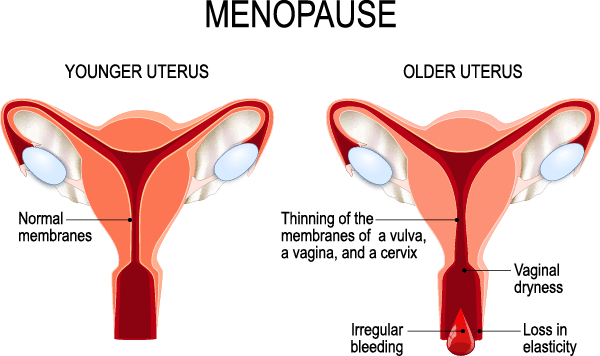
There are different ways that menopause can occur. It can be spontaneous or induced.
Spontaneous or natural menopause happens as the menstruation stops – the ovaries run out of egg cells and the production of estrogen and progesterone declines. This is part of the natural aging process. For most women, this will occur between the ages of forty-nine and fifty-two. But it can vary widely depending on geographical location and ethnic background.
Induced menopause can happen when the ovaries are removed surgically or damage done to the ovaries by medical procedures like chemotherapy or radiation. Surgical menopause occurs as a result of a bilateral oophorectomy (both ovaries are removed, a partial hysterectomy, or full hysterectomy. Medical menopause can occur from chemotherapy, radiation, estrogen blockers, aromatase inhibitors (medication that stops estrogen production), or GnRH agonists (medications that keep ovaries from making estrogen and progesterone).
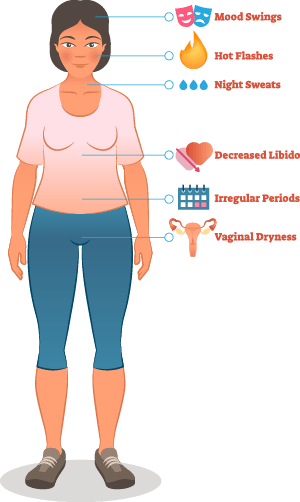
Perimenopause is the transitional phase before menopause including the twelve month time frame before the final menstrual period. It is characterized by fluctuation in production of estrogen and progesterone that causes many symptoms like mood swings and night sweats. It can begin as much as ten years in advance of menopause.
How Does Therapy Help You on Your Perimenopause Journey?
Therapy is like a mirror. Your therapist can help you recognize changes that are happening and help to validate them.
Your therapist can help you find lifestyle changes that might work for you as you navigate the ups and downs. Together, you strategize on how to mitigate anxiety and learn ways to cope with insomnia.
Therapists Help You To Make Sense of Menopause, Your Emotions, and Your Symptoms
Therapy can help you to understand and make sense of your hormonal changes throughout your life. Menopause varies for women. Some blessed 10 to 15% women report that they do not experience any noticeable changes during perimenopause except for the irregular menstrual periods.
However, other 85 to 90% of women do report symptoms during menopause. According to Dr. Lisa Monsconi in her book The Menopause Brain, 85% of all women experience hot flashes. Roughly 20% of all women experience mood swings and depression during perimenopause. More than half of all perimenopausal women sleep less than seven hours per night.
Therapist Help You To Navigate Your Relationships
A good therapist can help you talk about your symptoms. They can help find the right words to describe your experience. You will learn healthier expectations and learn to implement positive boundaries.
Relationship issues can be addressed in a neutral environment. You can learn how to better explain your symptoms to your spouse or significant other.
Some key takeaways that therapy provides:
- Better self-awareness
- Validation of your symptoms
- Strategies to minimize your symptoms
- Help navigating your relationships.
Therapeutic Strategies to Bolster Your Mental Health During Perimenopause
Cognitive Behavioral Therapy (CBT)
CBT gives you language for what’s going on. In therapy, you learn to recognize negative thinking habits that may be taking over your day-to-day thought life. You will also learn how to challenge these “thought traps” and to practice overcoming them. Here’s 16 common cognitive distortions and their resulting automatic negative thoughts that need to be challenged.
In addition to cognitive restructuring, CBT may include thought records, exposure therapy, and behavioral experiments. These powerful CBT exercises help to relieve anxiety.
Cognitive Behavioral Therapy for Insomnia (CBT-I)
CBT-I is a form of CBT that is tailored specifically for insomnia. Just as we can get caught in “thought traps” during our daily activities, we can also develop negative patterns with our sleep that can be impairing. CBT-I addresses these issues and helps to find ways to improve sleep quantity and quality by studying your sleep habits and providing alternative solutions to poor sleep hygiene.
Self-Care During Perimenopause
As your therapist, I see you as a whole person, not just a mind that needs to be worked on. I can come alongside you and help find practical options for taking care of your body and mind. You may feel that there is no time to take care of yourself, but your therapist can help you re-prioritize and shift focus.
Some self-care areas that your therapist may address are:
- Exercise
- Diet & Nutrition
- Stress Reduction
- Sleep Hygiene
Encouragement

Fluctuating hormones can leave you tired and depressed. Your therapist can reframe circumstances and help you to see that you are not “crazy”! Think of your therapist as your cheerleader.
They encourage you to have a more holistic view. As you begin to understand how the hormones affect you, your therapist gives you skills and perspective to keep you progressing. You feel supported and not alone.
Effectiveness
The self-help tools you learn through CBT in talk therapy are an invaluable resource to improve the quality of your life during perimenopause. Learning to identify unhelpful thinking habits and finding ways to improve your sleep can have a positive cascade effect on your quality of life, which can improve your tolerance for stressful situations and relationship issues.
Conclusion
Therapy provides a stable framework to create calm out of chaos. You can develop new tools to look at life’s challenges and receive encouragement along the way.
Interested in starting counseling for perimenopause or other life transitions? Need help finding an effective cognitive therapist in your area – here’s a guide to help. If you live in North Carolina, feel free to check out our individual counseling page for more information.


Leave a Reply