
Cognitive Behavioral Therapy (CBT) is a powerful tool in the treatment of anxiety, offering practical strategies to help individuals manage their symptoms. This approach focuses on the connection between thoughts, feelings, and behaviors, and is designed to identify and alter negative patterns. But how does CBT help with anxiety, and what are some effective CBT exercises you can try at home? Let’s explore.
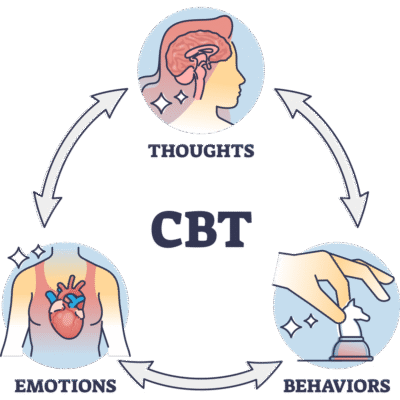
CBT is a structured, goal-oriented type of therapy. Unlike traditional talk therapy, which may delve into past experiences, CBT is more focused on current problems and finding practical solutions. It involves cognitive interventions, which target thought patterns, and behavior therapy techniques, which address actions. This dual approach makes CBT particularly effective for anxiety relief as well as depression.
How Does CBT Work?
CBT operates on the principle that our thoughts, feelings, and behaviors are interconnected. By identifying and changing negative thought patterns, we can influence our emotions and actions. For example, if you often think, “I can’t handle stress,” CBT might help you challenge this belief and replace it with, “I can manage stress with the right strategies.” This shift can lead to reduced anxiety and more positive behavior.
Key CBT Techniques for Anxiety Relief
Several CBT techniques are particularly effective for managing anxiety. Here are some common exercises you can practice:
1. Cognitive Restructuring
Cognitive restructuring involves identifying negative thoughts and replacing them with more balanced ones. This can help reduce anxiety by changing how you perceive stressful situations.
We have automatic thoughts continually, but it is sometimes difficult to recognize them. A few common automatic negative thoughts are:
- Over-Generalization: Seeing a single negative event as a never-ending pattern.
- Shoulds & Musts: Setting unrealistic expectations on ourselves.
- Mental Filter: Focusing only on the negative and dismissing all the positives.
- Black & White Thinking: Believing that everything is all or nothing – only extremes.
- Catastrophizing: Expecting the worst-case scenario.
By exploring many cognitive distortions and their automatic negative thoughts, awareness is heightened. With more awareness, the ability to challenge and overcoming them is greatly increased.
Cognitive restructuring requires us to intentionally slow down our thought process and question it as follows:
- Identify the Thought: Start by recognizing a thought that triggers anxiety.
- Challenge the Thought: Ask yourself if this thought is rational or if there’s evidence to support it.
- Replace the Thought: Develop a more balanced perspective. For example, change “I’m going to fail” to “I have the skills to succeed.”
2. Exposure Therapy
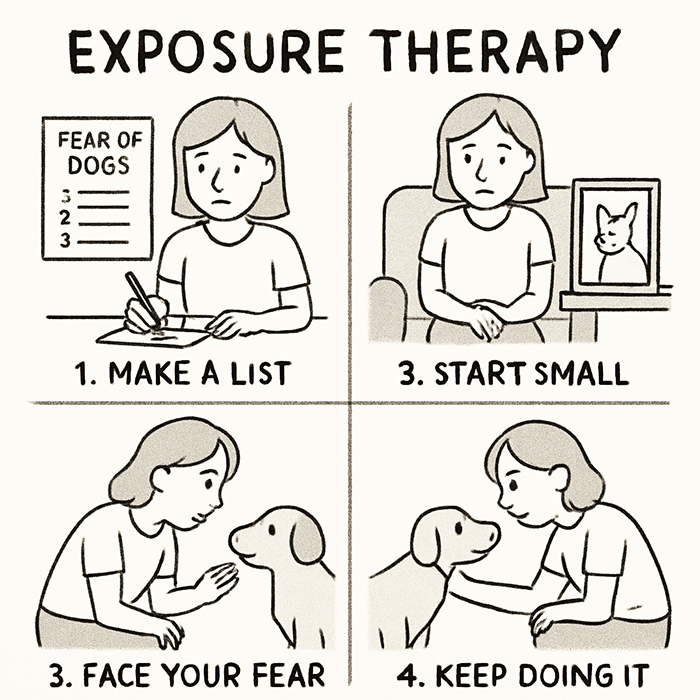
Exposure therapy involves gradually facing the situations or objects that cause anxiety. This technique helps diminish fear over time and can be particularly effective for phobias or social anxiety.
- Create a Hierarchy: List situations that cause anxiety, from least to most stressful.
- Gradual Exposure: Start with the least stressful situation and gradually work your way up.
- Reflect: After each exposure, reflect on the experience to understand your feelings and any changes in anxiety levels.
3. Behavioral Experiments
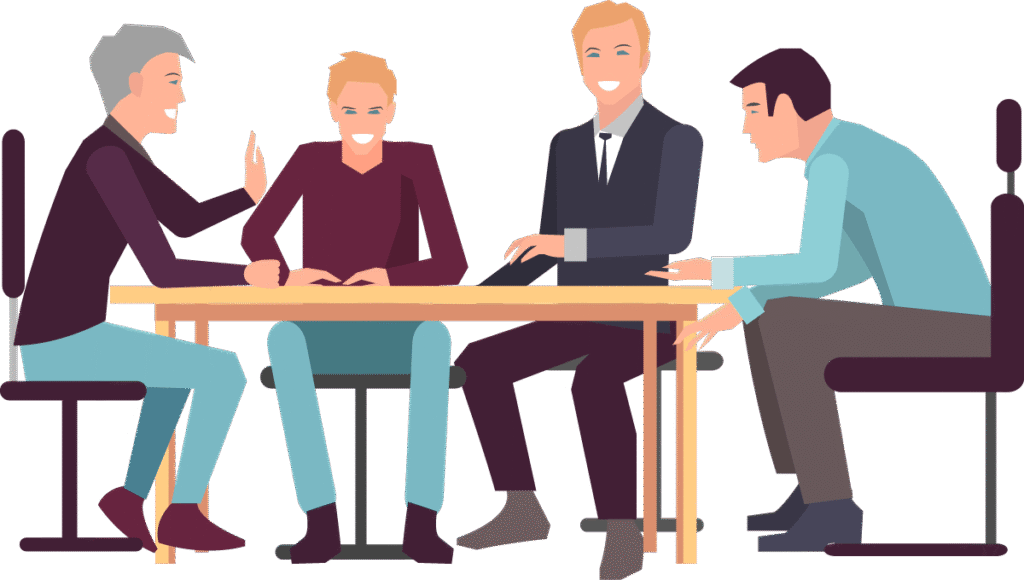
This technique involves testing the validity of your anxious thoughts through real-life experiments.
- Hypothesis: Develop a prediction based on your anxiety. For example, “If I speak up in a meeting, I’ll embarrass myself.”
- Experiment: Test your hypothesis by engaging in the situation.
- Outcome: Reflect on what happened. Was your prediction accurate? Often, these experiments reveal that worst-case scenarios are unlikely.
4. Thought Records
Thought records are worksheets used to track negative thoughts, examine the evidence for and against them, and develop more balanced perspectives.
- Situation: Describe what happened.
- Emotions: Note the feelings associated with the situation.
- Automatic Thoughts: Write down the immediate thoughts you had.
- Evidence: List evidence for and against these thoughts.
- Balanced Thought: Create a more balanced or realistic thought.
Practicing CBT at Home
CBT isn’t limited to therapy sessions; there are several ways you can incorporate these techniques into your daily life.
Journaling
Keeping a journal can help you track your thoughts and feelings, providing insight into patterns that may need addressing. Regular journaling can also serve as a form of self-reflection, helping you practice cognitive restructuring on your own.
Mindfulness and Relaxation Techniques
Mindfulness practices, such as meditation or deep breathing, can complement CBT by helping you stay grounded and aware of your thoughts. These techniques can reduce overall anxiety and improve your ability to manage stress.
Setting Goals
Establishing clear, achievable goals can guide your CBT practice. For instance, you might set a goal to challenge negative thoughts once a day or to practice exposure therapy weekly.
Seeking Professional Help
While you can practice CBT techniques at home, working with a trained therapist can provide additional guidance and support. A trained therapist will be able to Cognitive Processing Therapy (CPT) a form of CBT to help with anxiety and PTSD.
Sometimes, finding a cognitive therapist in your area can be daunting, but the reward of have a good counselor can be innumerable. A professional can help tailor exercises to your specific needs and ensure you’re using techniques effectively.

Where to Get CBT
CBT is widely available and can be accessed through:
- Therapy Practices: Many therapists specialize in CBT. Look for licensed professionals with experience in anxiety treatment.
- Online Platforms: Various online services offer CBT sessions, providing flexibility and convenience.
- Self-Help Resources: Books, apps, and online courses can offer guidance on practicing CBT independently.
The Effectiveness of CBT for Anxiety
Numerous studies have shown CBT to be highly effective for anxiety disorders. It is often considered the first-line treatment due to its structured approach and proven results. Individuals who engage in CBT often experience significant reductions in anxiety and improvements in quality of life.
CBT vs. Talk Therapy
While traditional talk therapy can be beneficial, CBT’s structured and practical approach often leads to faster results for anxiety relief. By focusing on current issues and providing actionable strategies, CBT helps individuals gain control over their anxiety more effectively.
Conclusion
CBT offers powerful techniques for managing anxiety, providing tools to challenge negative thoughts and change behaviors. Whether you practice these exercises at home or with a therapist, CBT can significantly improve your ability to cope with anxiety. By understanding how CBT works and implementing these strategies, you can take proactive steps toward anxiety relief and a more balanced life.
Interested in starting counseling? Check out our individual counseling page for more information.

Leave a Reply